Partnering with Nature: CCS's Commitment to Biodiverse Forest Management Jul 12, 2026
At CCS, biodiverse forest management is more than just a strategy—it is a commitment to partnering with nature. By valuing biological diversity, the company ensures forests remain strong, resilient, and capable of supporting an array of life. But why is this important? Biodiversity acts as a cushion against shocks or changes in the environment. Different species play unique roles in an ecosystem, contributing to its functionality. For instance, diverse plant species can improve soil fertility and resilience to pests and diseases.
The foundation of CCS's approach lies in its careful planning and assessment of forest ecosystems. Before any timber is harvested, CCS conducts thorough assessments to understand the specific needs and characteristics of the local environment. This involves evaluating soil types, identifying native species, and considering the roles of various wildlife. By adopting such meticulous processes, they ensure that deforestation does not lead to habitat degradation or loss but instead promotes regrowth and ecological balance.
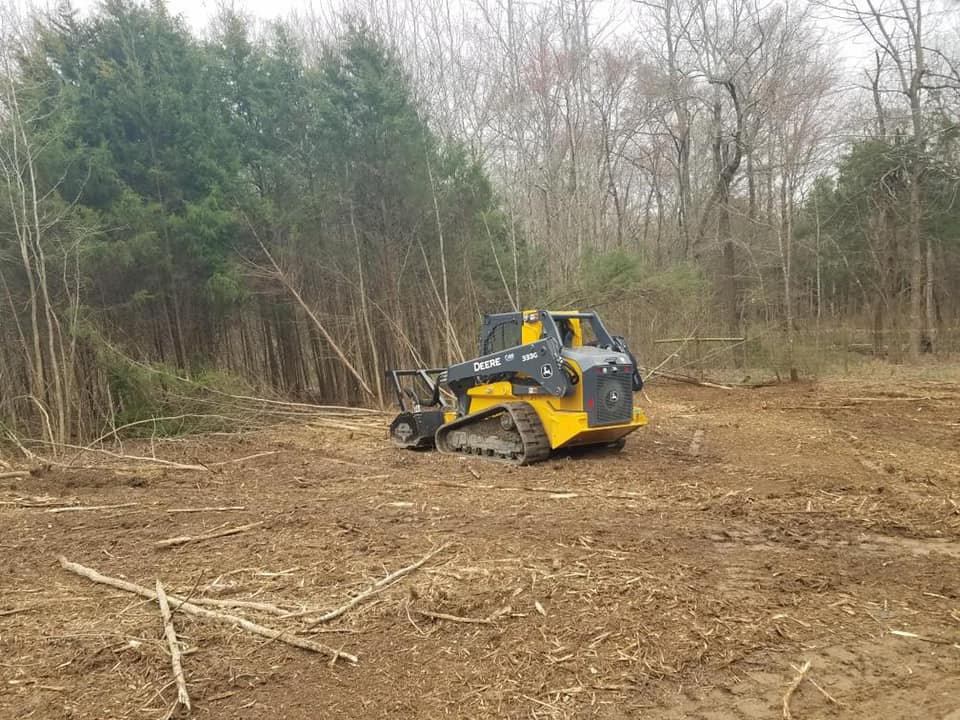
Through selective logging, CCS maintains the integrity of forest canopies and understories. Instead of clear-cutting large areas, which can be devastating to forest ecosystems, selective logging focuses on removing certain trees while leaving others. This technique not only preserves the ecosystem but also enhances forest resilience against climate change and disease. Furthermore, it supports local wildlife, ensuring they continue to thrive.
The company's dedication extends beyond immediate forestry practices. CCS is proactive in its efforts to engage with local communities and stakeholders. By fostering open communication and collaboration, they ensure that forestry activities reflect the values and needs of the people who depend on these resources. Community involvement also plays a crucial role in protecting forest diversity. Local knowledge and sustainable practices contribute significantly to effective management and help foster a culture of conservation.
Another essential component of CCS's strategy is the use of innovative technology. This includes employing geographic information systems (GIS), satellite imagery, and drone technology to monitor and manage forest activities accurately. These technologies allow for precise planning and reduced impact operations, ensuring that the forests remain vibrant and diverse.
CCS's commitment to education and research is no less important in their forestry management principles. By partnering with academic institutions and environmental organizations, CCS advances its techniques and strategies based on the latest research. This commitment ensures that they are always at the cutting edge of sustainable forestry, adapting and evolving in response to new challenges and information.
In conclusion, Carolina Construction Services exemplifies how businesses can effectively partner with nature to achieve sustainable forest management. Their integrated approach, which combines biodiversity preservation, technological innovation, and community engagement, ensures not only economic viability but also ecological sustainability. For clients and stakeholders, this means working with a company that not only provides quality services but also prioritizes the health of our planet. By choosing CCS, you are choosing a future where forests are abundant, diverse, and thriving for generations to come.
/filters:no_upscale()/filters:format(webp)/media/cd1f3fe3-880e-4397-9f34-3036e0e26061.jpeg)